Horse Travel Across State Lines: What to Know About Inspection Stops and Required Paperwork
Traveling across state lines with horses requires more preparation than simply loading the trailer and heading down the road. While many trips go smoothly without interruption, horse owners should understand that some states operate agricultural inspection stations or livestock checkpoints where travelers may be asked about the animals they are transporting.
Being prepared with the proper paperwork can help prevent delays and give you confidence throughout your journey.
Whether you're traveling to a horse show, relocating, attending a clinic, or embarking on a trail riding adventure, knowing what documents to carry is an essential part of responsible horse travel.
Will I Be Stopped When Crossing State Lines?
The answer is: possibly.
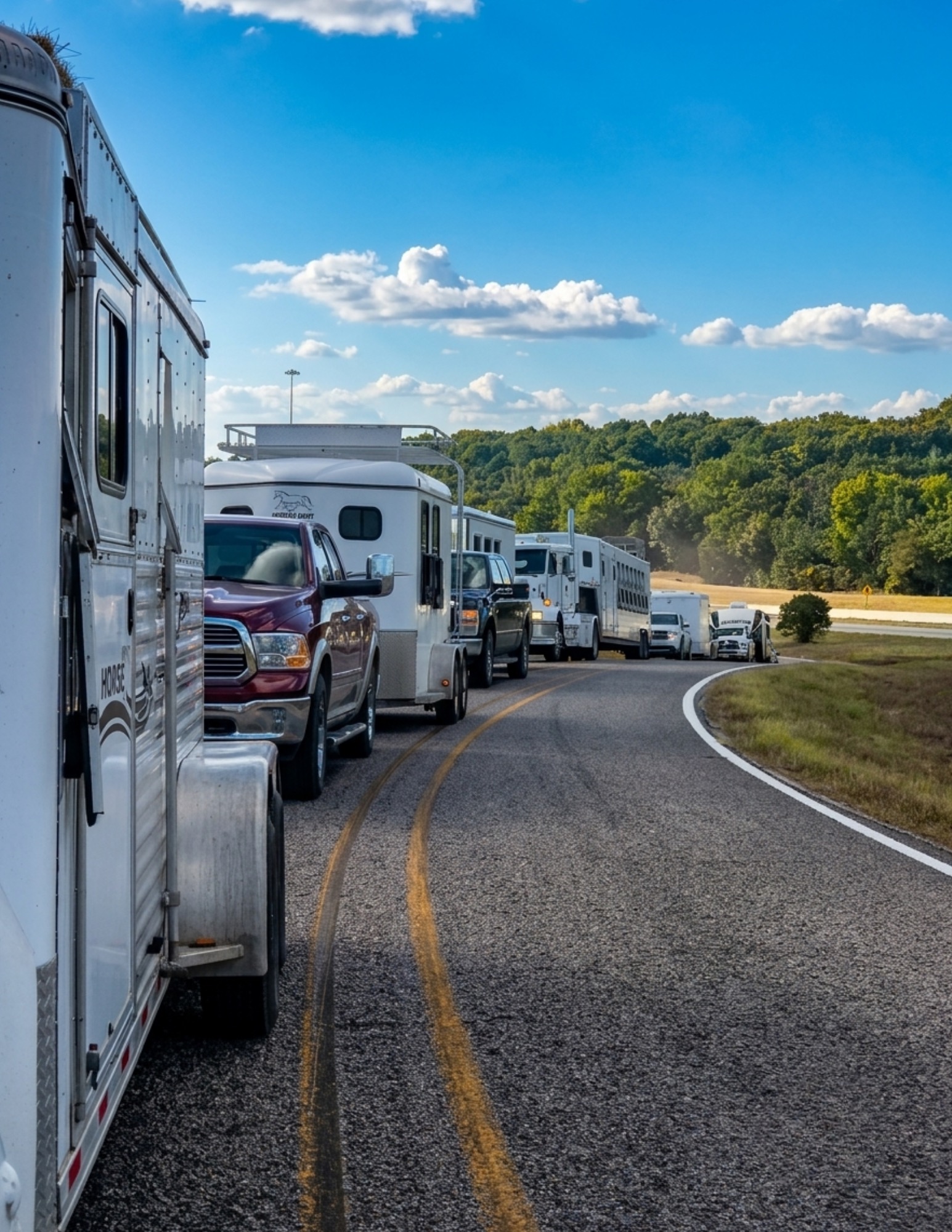
Some states have agricultural inspection stations, livestock checkpoints, or ports of entry where commercial vehicles - and occasionally livestock trailers - may be stopped. In many cases, horse owners traveling privately are waved through, while in others an inspector may ask a few questions or request documentation.
Inspection practices vary widely by state, location, and the purpose of your trip. There is no nationwide rule that guarantees you will - or won't - be stopped.
The best approach is to travel as though you could be asked to present your paperwork at any time.
Why States Inspect Livestock
State inspection programs help protect animal health, agriculture, and livestock ownership.
Officials may verify:
- Animal health documentation
- Ownership records
- Brand inspection compliance, where applicable
- Disease control requirements
- Import regulations
- Movement of livestock during disease outbreaks
These inspections help reduce the spread of contagious diseases and discourage livestock theft.
Essential Horse Travel Documents
Before leaving home, organize all important paperwork in a waterproof folder that is easy to access.
Depending on your destination, you may need:
Negative Coggins Test
Many states require proof of a current negative Coggins test before horses cross state lines. Some events may require a more recent test than the state minimum.
Certificate of Veterinary Inspection (Health Certificate)
Often called a Health Certificate or Certificate of Veterinary Inspection (CVI), this document is issued by an accredited veterinarian after examining your horse.
Many states require it for interstate travel.
Because validity periods vary, always confirm current requirements before departure.
Brand Inspection or Ownership Documentation
Several western states require brand inspections or other ownership verification.
Even horses without visible brands may require documentation.
Carry any applicable:
- Brand Inspection Certificate
- No-Brand Certificate
- Registration papers
- Bill of Sale
- Breed registration documents
Event Paperwork
If you're attending a horse show, rodeo, clinic, or organized ride, you may also need:
- Event registration
- Stall assignments
- Vaccination records
- Membership cards
- Entry confirmation
Having these documents readily available can save time at check-in.
Emergency Contact Information
Carry printed copies of important phone numbers, including:
- Your veterinarian
- Emergency contacts
- Insurance provider
- Trailer roadside assistance
- Destination facility
Cell service isn't always available in remote areas.
Organize Your Documents Before You Leave
Create a dedicated travel folder that includes:
- Current Coggins Test
- Health Certificate, if required
- Brand Inspection or ownership documents
- Horse registration papers
- Vaccination records
- Emergency contacts
- Insurance information
- Destination addresses
- Hotel and layover confirmations
Keep both printed copies and digital backups stored on your phone or cloud service.
Don't Forget Your Trailer Paperwork
Your horse isn't the only thing that needs documentation.
Before your trip, verify that you have:
- Driver's license
- Vehicle registration
- Trailer registration
- Proof of insurance
- Current license plates
- Any permits required for commercial hauling
If you're hauling commercially, additional federal or state requirements may apply.
What Happens If You're Missing Paperwork?
The outcome depends on the state and the specific situation.
Possible consequences include:
- Travel delays
- Additional inspections
- Being denied entry
- Quarantine requirements
- Fines or citations
- Having to return home until documentation is obtained
Most of these situations are easily avoided with proper preparation.
Travel Tips for a Smoother Journey
Before every trip:
- Review the requirements for every state on your route - not just your destination.
- Check expiration dates on all documents.
- Call ahead if you're unsure about state requirements.
- Confirm paperwork required by your destination or event.
- Keep your travel folder within easy reach.
- Make digital copies as a backup.
A few minutes of preparation can save hours of inconvenience on the road.
Frequently Asked Questions
Do I need paperwork if I'm only driving through a state?
Sometimes. Some states have exemptions for travelers passing through, while others may still require documentation. Always verify the requirements for each state on your route.
Will every horse trailer be stopped?
No. Many horse owners complete interstate trips without being stopped. However, inspections can occur, and requirements vary by location and circumstances. It's best to be prepared.
Is a Coggins test enough?
Not always. Depending on your route, you may also need a Health Certificate, brand inspection or ownership documentation, and event-specific paperwork.
Should I carry original documents?
Whenever possible, carry the original documents or certified copies if required. Digital backups are helpful but may not always be accepted in place of official paperwork.
Travel Prepared, Travel Confidently
Long-distance horse travel involves many moving parts, but paperwork shouldn't be one of the stressful ones.
Before every trip, take time to understand the requirements for each state you'll travel through, organize your documents, and keep them easily accessible. Being prepared not only helps you comply with state regulations - it also provides peace of mind should questions arise along the way.
At Equine Travel Network, our mission is to make horse travel safer and easier. In addition to helping you find trusted horse-friendly accommodations, we're building a comprehensive Travel Safety Hub with state-by-state travel requirements, document guides, emergency resources, and practical planning tools to help you haul with confidence.
Quick Horse Travel Paperwork Checklist
Before pulling out of the driveway, make sure you have:
- Current negative Coggins Test
- Certificate of Veterinary Inspection, if required
- Brand Inspection or ownership documentation, where applicable
- Horse registration papers
- Vaccination records
- Event confirmation and stall assignments
- Driver's license
- Vehicle and trailer registration
- Proof of insurance
- Emergency contact list
- Printed itinerary and layover reservations